Paranoid Personality (PPD)
DSM-5-TR: 301.0 ICD-10: F60.0In this series, we explore the mysterious paranoid personality by discussing its increase in the post-pandemic landscape. We discuss the instability inherent in this type as well as the 6 subtypes according to Millon (self-righteous, obdurate, querulous, insular, fanatic paraphrenic, and malignant paraphrenic). We also contrast paraphrenia and schizophrenia diagnoses and end the series by discussing 3 true crime cases with paranoid components: Jeffrey Weise, Richard Farley, and Timothy McVeigh.

Ep 44: The 3 Most Unstable Personalities | Schizotypal, Borderline, & Paranoid
In this episode of the Personality Couch Podcast, we (licensed clinical psychologists Doc Bok and Doc Fish) explore the 3 most unstable personality disorders: schizotypal, borderline, and paranoid. All 3 types are at risk of psychosis. We first discuss historical personality classifications of neurotic, psychotic, and borderline, highlighting that the borderline space between neurotic and psychotic is the most prone to instability. This borderline space is where schizotypal, borderline, and paranoid personalities sit. We discuss the risky traits of each personality, including cognitive slippage, emotional instability, and extreme rigidity. We also discuss some of our thoughts and experiences in diagnosing these rather tricky disorders!
 Doc Bok
 Doc Fish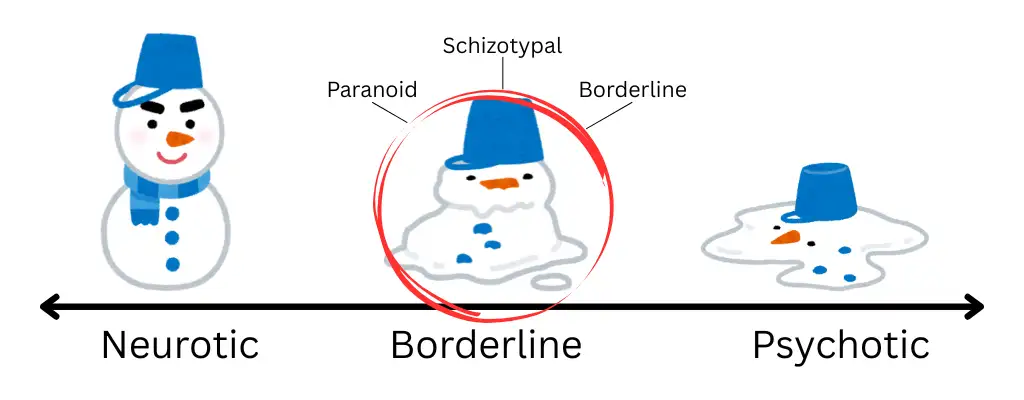
The 3 Unstable Personalities
At the borderline level of organization, there are some personalities that are falling apart: Schizotypal, Borderline, and Paranoid. Millon calls them “structurally defective”…but what does that even mean? Here I take a look at these melting personalities.
Doc Fish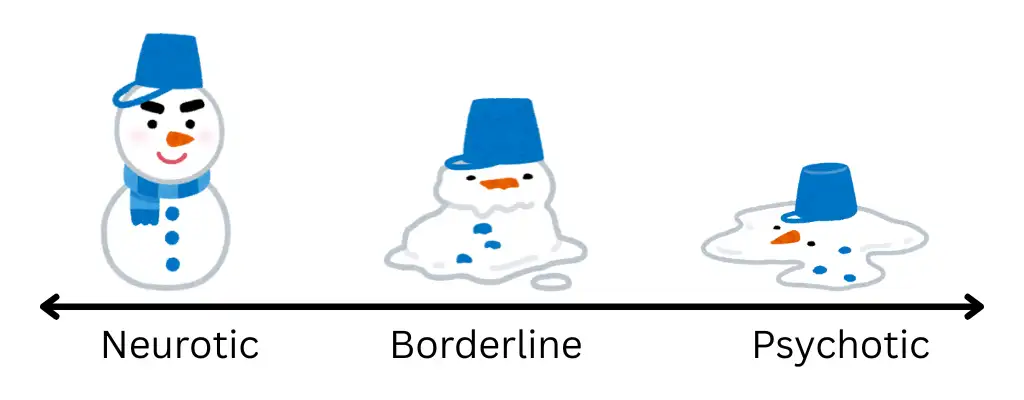
Understanding Neurotic, Borderline, and Psychotic Personalities
Historically, we used to have two categories for psychological patients to fall in: neurotic or psychotic. But that wasn’t enough (surprise!) because there were individuals who didn’t fall into either category. Alas, the borderline state of being was coined! Learn more about these three categories of personality functioning.
Doc Fish
Ep 32: When Paranoid Personalities Kill | Analyzing 3 Infamous Mass Murderers
In this episode of The Personality Couch, we (licensed clinical psychologists Doc Bok and Doc Fish) dive deep into the dark end of the paranoid personality spectrum, focusing on three notorious cases of mass murder: Jeffrey Weise (school shooter), Richard Farley (jilted lover), and Timothy McVeigh (Oklahoma City bomber). We explore the psychological underpinnings of each of these severe paranoid personalities, the impact of childhood trauma, and how their psyches came unglued. We firstly look at the case of Weise, a 16-year-old school shooter who experienced significant childhood trauma and rejection at the hands of his family. We then turn to look at Farley, an incredibly dangerous example of how erotomania, or extreme unrequited love, can turn into your worst nightmare. Lastly, we take a close look at the infamous Timothy McVeigh, a domestic terrorist obsessed with fantasy, fiction, and comics about revenge. Separating from the Army, but desperate to be a hero, he found an enemy in the very US Government that he used to defend. Our discussion emphasizes that while not all paranoid personalities are violent (most aren’t), paranoid personalities in forensic settings can quickly unravel, making them among the most likely to commit mass murder.
Doc Bok
Doc Fish
3 Infamous Mass Murders Who Were Paranoids
Paranoid personalities use projection as their central defense mechanism, resulting in putting their own pain onto others. Forensic researchers have noted that those who commit mass murders are more likely to have a paranoid personality. In this blog, we unpack 3 very different cases of mass killings by a paranoid personality: Jeffrey Weise the School Shooter; Richard Farley the Rejected Lover; and Timothy McVeigh, the Oklahoma City Bomber.
Doc Fish
Ep 31: Paranoia, Paranoid Personality, or Schizophrenia? | Which Is It?
In this episode of The Personality Couch Podcast, we (licensed clinical psychologists Doc Bok and Doc Fish) unpack how paranoia, paranoid personalities, and psychotic disorders overlap. We explore the line between personality disorders and psychosis; misuse of the term schizophrenia; and introduce the concept of paraphrenia as it relates to psychosis in the paranoid personality. We also explore the historical context of paranoia, the nuances between paranoia and delusions, and how the terms became so intertwined in history. We end with our own unfiltered thoughts about limitations to DSM diagnostic categories and how paranoia became so confusing!
Doc Bok
Doc Fish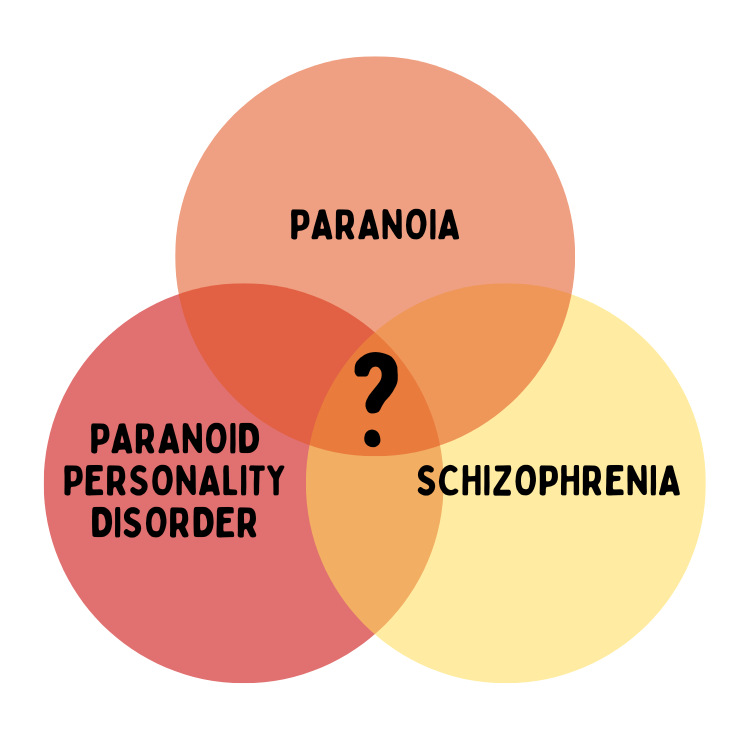
Parsing out Paranoia, Paranoid Personality, and Paranoid Schizophrenia
What do paranoia, paranoid personality disorder, and paranoid schizophrenia have in common? Not nearly as much as you would think! Here, I help parse out all the perplexing paranoia/d packages.
Doc Fish
Ep 30: Paranoid Personality | The 6 Subtypes Explained
In this episode of The Personality Couch Podcast, we (licensed clinical psychologists Doc Bok and Doc Fish) continue our discussion about paranoid personality disorder, exploring its three severity levels: Mild, Borderline, and Paraphrenic. We unpack the six subtypes of paranoid personalities as outlined by Dr. Theodore Millon: The Self-Righteous Mistrustful, The Obdurate Mistrustful, the Querulous Paranoid, the Insular Paranoid, the severe Fanatic Paraphrenic, and Malignant Paraphrenic. We highlight the fragility of Paranoids at all levels of severity, noting they can easily deteriorate with stressors and setbacks. We emphasize the importance of understanding these very common personality dynamics in all settings, especially with increasing paranoia in the post-pandemic world.
Doc Bok
Doc Fish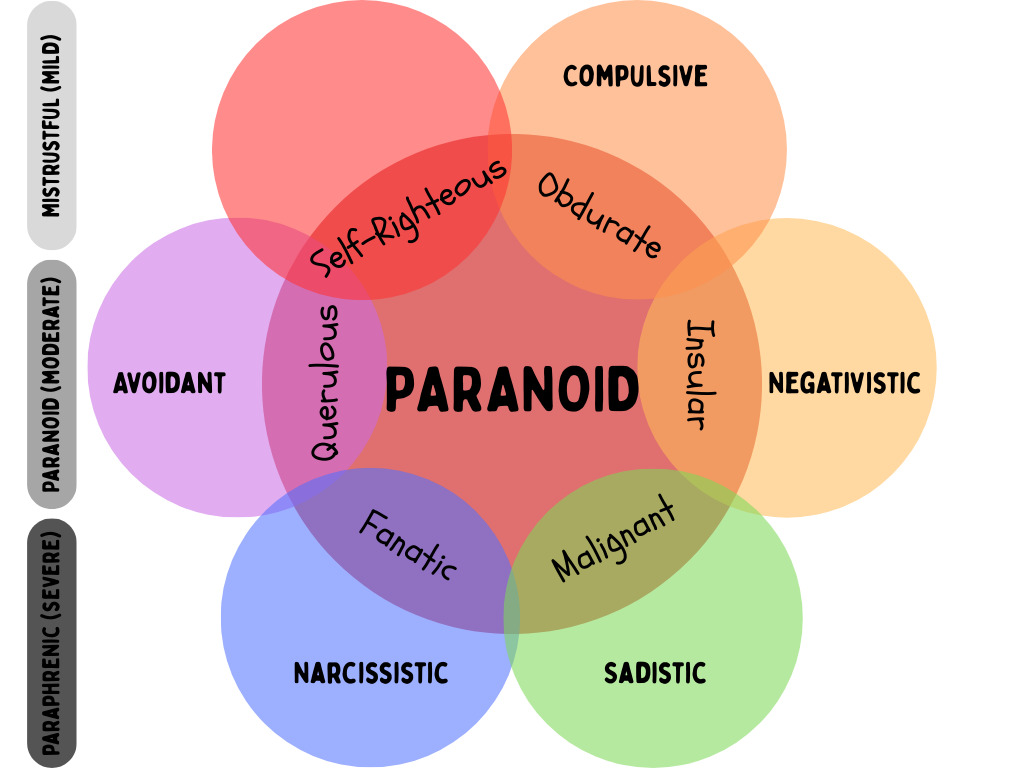
Paranoid Personality Subtypes
Despite how ridiculously underresearched paranoid personality disorder is, we still have some literature on its different flavors and presentations. The more severe, the more dangerous…take a peek at the subtypes of paranoid personality disorder!
Doc Fish
Ep 29: Paranoid Personality or BPD? | The Unstable Duo
In this episode of The Personality Couch Podcast, we (licensed clinical psychologists Doc Bok and Doc Fish) help differentiate between paranoid and borderline personality disorders. We explore the similarities and differences between these two disorders, discussing their core characteristics, emotional responses, symptoms, and how our own intuition helps us more than we realize. We specifically look at the instability unique to these two personality disorders and how both express anger, shame, and fear. As both disorders can have fleeting episodes of psychosis, we also discuss how delusions can show up in each, but how their triggers are vastly different. We further discuss our own personal experiences treating both disorders and ways we use our intuition to guide diagnosis. We end by highlighting the need for empathy in treatment and welcome other providers to reference this information or to contact us directly if in need of a consultation.
Doc Bok
Doc Fish