Tag: Personality Couch Podcast
Showing all content tagged with #Personality Couch Podcast
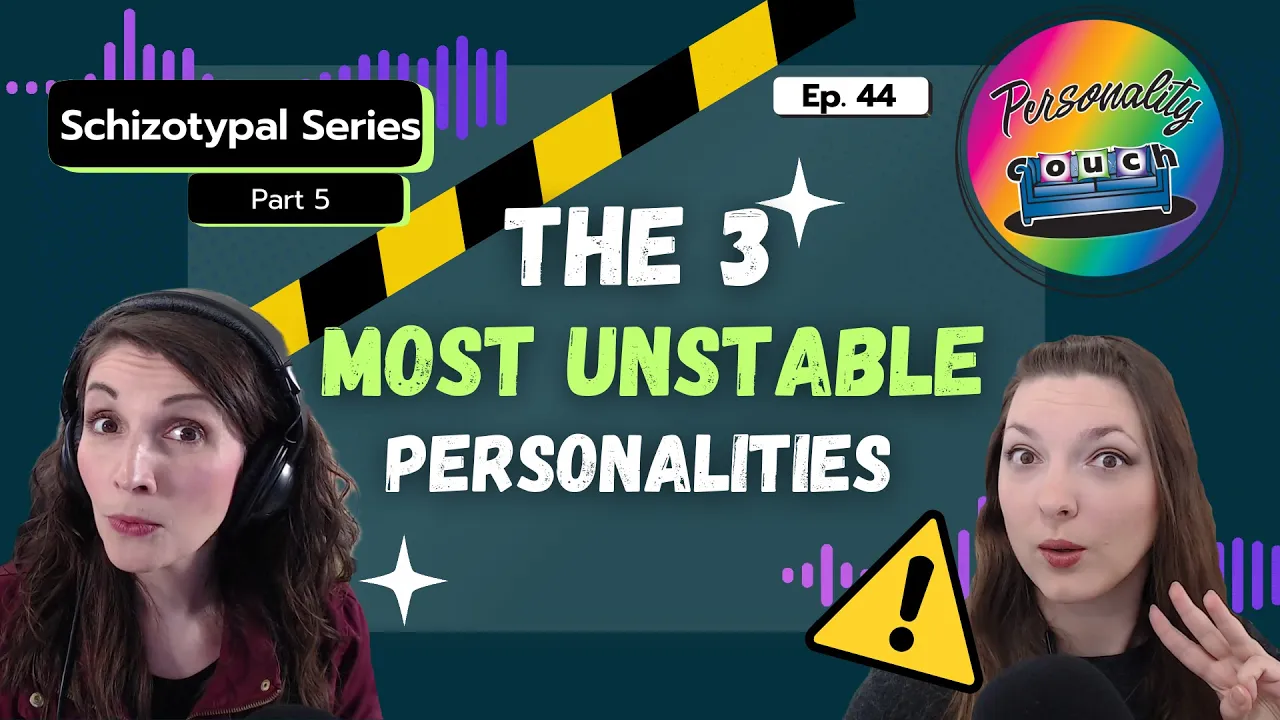
Ep 44: The 3 Most Unstable Personalities | Schizotypal, Borderline, & Paranoid
In this episode of the Personality Couch Podcast, we (licensed clinical psychologists Doc Bok and Doc Fish) explore the 3 most unstable personality disorders: schizotypal, borderline, and paranoid. All 3 types are at risk of psychosis. We first discuss historical personality classifications of neurotic, psychotic, and borderline, highlighting that the borderline space between neurotic and psychotic is the most prone to instability. This borderline space is where schizotypal, borderline, and paranoid personalities sit. We discuss the risky traits of each personality, including cognitive slippage, emotional instability, and extreme rigidity. We also discuss some of our thoughts and experiences in diagnosing these rather tricky disorders!
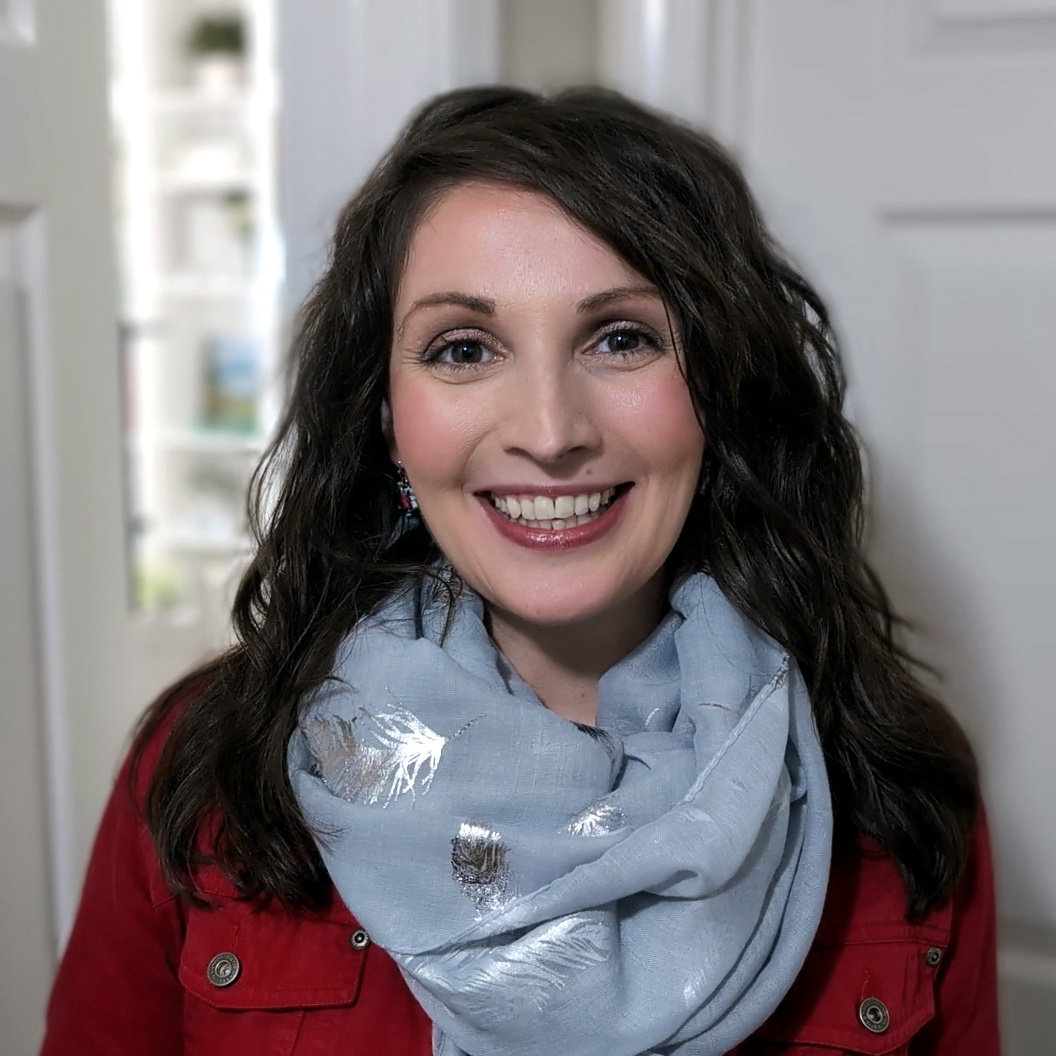 Doc Bok
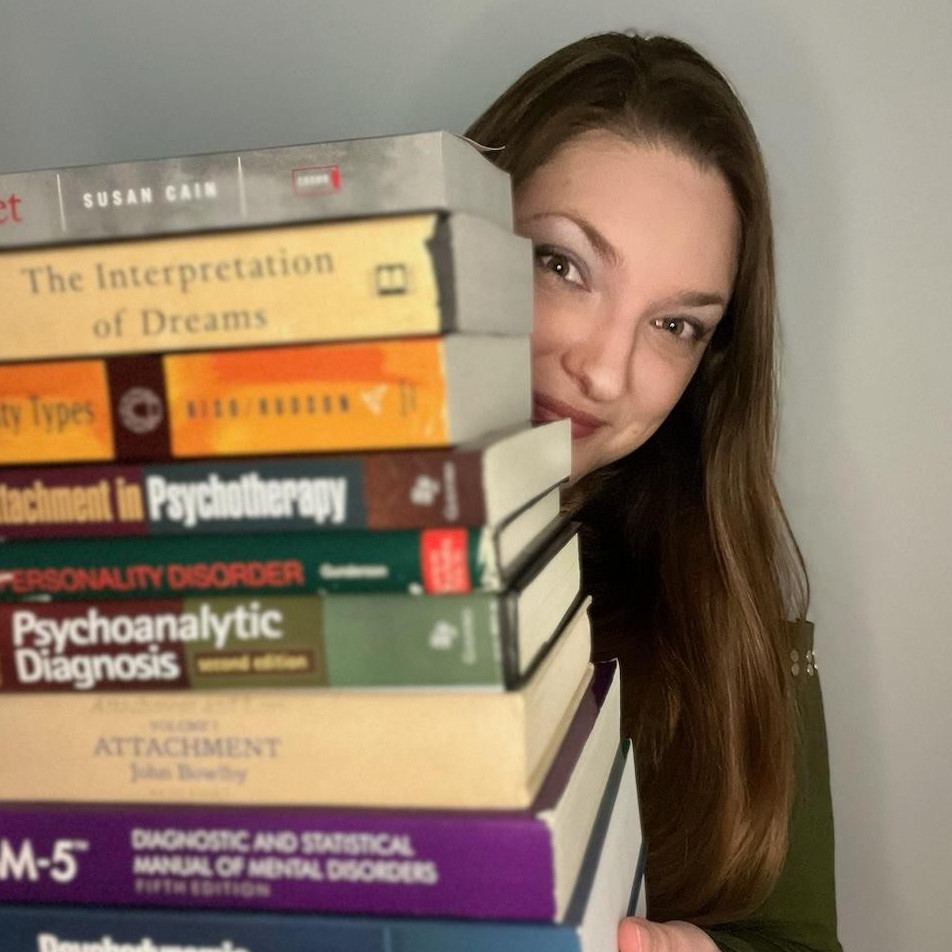 Doc Fish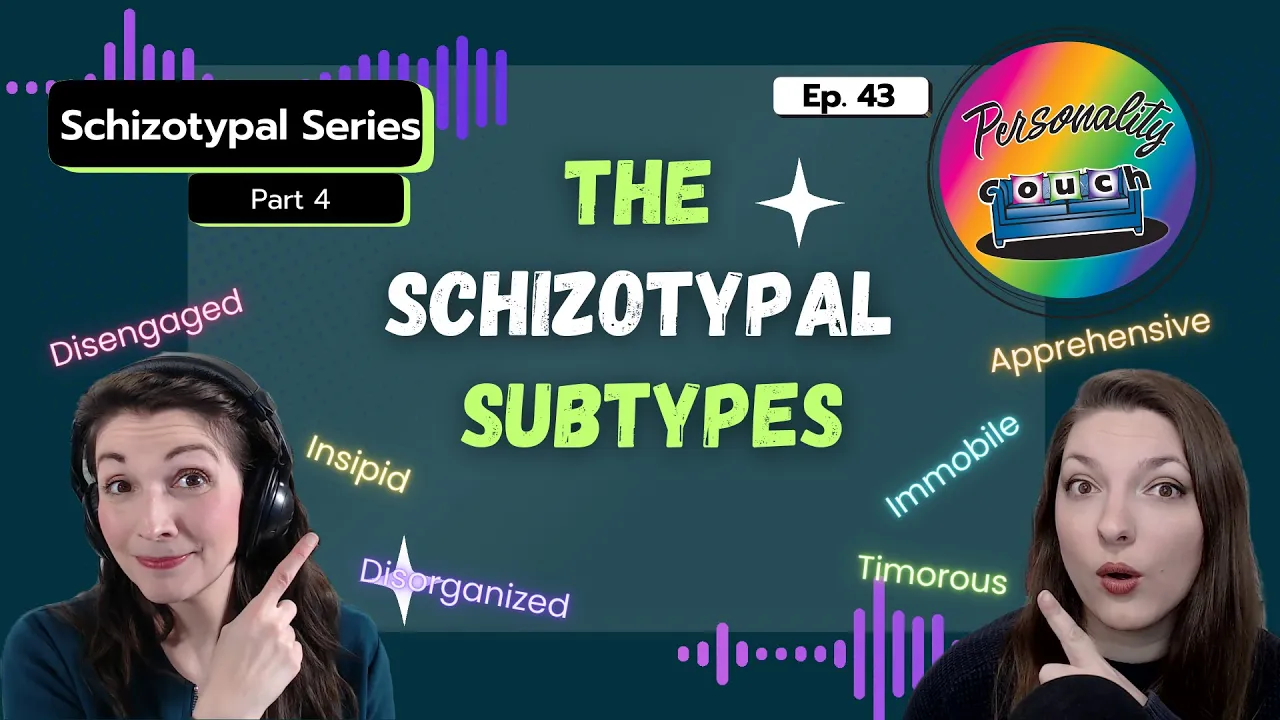
Ep 43: The 6 Schizotypal Subtypes Explained
In this episode of The Personality Couch Podcast, we (licensed clinical psychologists Doc Bok and Doc Fish) unpack the 6 subtypes of schizotypal personality disorder, according to Dr. Theodore Millon. We outline Millon’s take on “structurally defective structures” as being at risk of falling apart into psychosis at all levels of functioning, with the most severe levels of schizotypal deteriorating into schizophrenia. We then discuss the characteristics of mild, moderate, and severe subtypes, specifically: Disengaged Eccentrics, Apprehensive Eccentrics, the Insipid Schizotypal, the Timorous Schizotypal, the Immobile Schizophrenic, and the Disorganized Schizophrenic.
Doc Bok
Doc Fish
Ep 42: The Almost Psychotic Personality | Schizotypal in the DSM
In this episode of the Personality Couch Podcast, we (licensed clinical psychologists Doc Bok and Doc Fish) dive into the origins, diagnostic criteria, and oddities associated with schizotypal personality disorder and what it means to be almost psychotic, but not quite. We unpack idiosyncrasies and “cognitive slippage” of schizotypals that include odd speech patterns, suspiciousness, emotional expression, and social anxiety. This episode also highlights the importance of cultural context in diagnosis and not overpathologizing trends or religious norms. We also explore the overlap with and risk of schizophrenia in schizotypals, along with long-term implications of living in a quasi-psychotic cognitive space.
Doc Bok
Doc Fish
Ep 41: The Schizophrenic Personality | Understanding Schizotypal & Schizotypy
In this episode of The Personality Couch, we (licensed clinical psychologists Doc Bok and Doc Fish) explore the origins and nuances of schizotypal personality disorder, its genetic links to schizophrenia, and the clinical observations that define it. We discuss the evolution of the term ‘schizotypal’ in the DSM, the implications of schizotypy, and how environmental factors and social learning influence its development. We also uncover observable traits of schizotypal individuals, their social interactions, and self-concept, providing a comprehensive overview of this intriguing personality disorder that is not quite psychotic, but close.
Doc Bok
Doc Fish
Ep 40: Schizoid vs. Schizotypal vs. Schizophrenia - What the Difference?
In this episode of The Personality Couch, we (licensed clinical psychologists Doc Bok and Doc Fish) compare and contrast schizoid and schizotypal personality disorders, as well as schizophrenia. We define key terms, explore the overlap and differences among these disorders, and introduce the concept of schizotypy as a genetic predisposition towards schizophrenia. We further discuss the concept of schizotaxia, or “cognitive slippage” and the impact of birth trauma on schizo development. We also share our opinions about where schizoid fits on this continuum and if they are schizotypes or not.
Doc Bok
Doc Fish
Ep 39: Schizoid vs Avoidant Personality | What's the Difference?
In this episode of The Personality Couch, we (licensed clinical psychologists Doc Bok and Doc Fish) compare and contrast avoidant and schizoid personalities. While schizoid and avoidant personality disorders have overlapping traits but distinct characteristics, personality psychologists have argued about it for decades. In this episode, we explore the definitions of each disorder and ongoing debates surrounding if these disorders are the same thing or not. We end by sharing our thoughts about whether schizoid personality and avoidant personality are the same or different, while giving a critical opinion about the DSM’s limiting definitions of both.
Doc Bok
Doc Fish
Ep 38: Unpacking Schizoid Subtypes | A Critical Look
In this episode of The Personality Couch, we (licensed clinical psychologists Doc Bok and Doc Fish) take a critical look at the subtypes of schizoid personality, critiquing existing definitions and theories, particularly the 6 subtypes of Dr. Theodore Millon. We explore his mild, moderate, and severe subtypes: the Reserved Apathetic, Introspectively Apathetic, Remotely Asocial, Languidly Asocial, Depersonalized Schizoid, and Affectless Schizoid. We propose our own 5 subtypes and invite our schizoid listeners and viewers to share which type they identify with the most!
Doc Bok
Doc Fish
Ep 37: Answering Viewer Questions About Schizoid Personality
In this episode of The Personality Couch, we (licensed clinical psychologists Doc Bok and Doc Fish) answer your most-asked questions about schizoid personality. We address misconceptions about schizoid and settle its pronunciation debate (is it skii-zoid or skitz-oid?). We also explore the significant role (or not) of maternal relationships in schizoid’s development. Relatedly, we take a critical look at emotional expression, where we discuss the impact of gender expectations, and the nuanced understanding of fear of intrusion. We further explore power dynamics at play in schizoid behavior, their expression of anger, and how this personality navigates our highly social world.
Doc Bok
Doc Fish
Ep 36: Schizoid Personality vs Autism | Are They the Same?
In this episode of The Personality Couch, we (licensed clinical psychologists Doc Bok and Doc Fish) unpack the differences and similarities between schizoid personality disorder and autism spectrum disorder, and whether you can be diagnosed with both. We start by discussing the limitations of current research before investigating the underlying causes of social withdrawal seen in both conditions. We conclude by emphasizing that while they may share observable traits, their origins and implications are fundamentally different.
Doc Bok
Doc Fish
Ep 35: A Deeper Look at Schizoid Personality | Psychodynamic Perspective
In this episode of The Personality Couch, we (licensed clinical psychologists Doc Bok and Doc Fish) use a fresh psychodynamic perspective to look at the misunderstood, quiet, awkward, and socially backwards schizoid. We explore the misunderstandings and stigmas surrounding schizoids, their emotional depth, and the historical perspectives that have shaped our understanding of this personality type. Our conversation highlights the internal struggles of schizoids, their coping mechanisms, and the rich inner lives they lead, often hidden from the outside world. We also take a look at the superpower of the schizoid and how they spot others’ disingenuousness. We emphasize the unique internal experiences of schizoids and the need for a compassionate approach in relationships and in clinical practice.
Doc Bok
Doc Fish