Tag: Personality Couch Podcast
Showing all content tagged with #Personality Couch Podcast
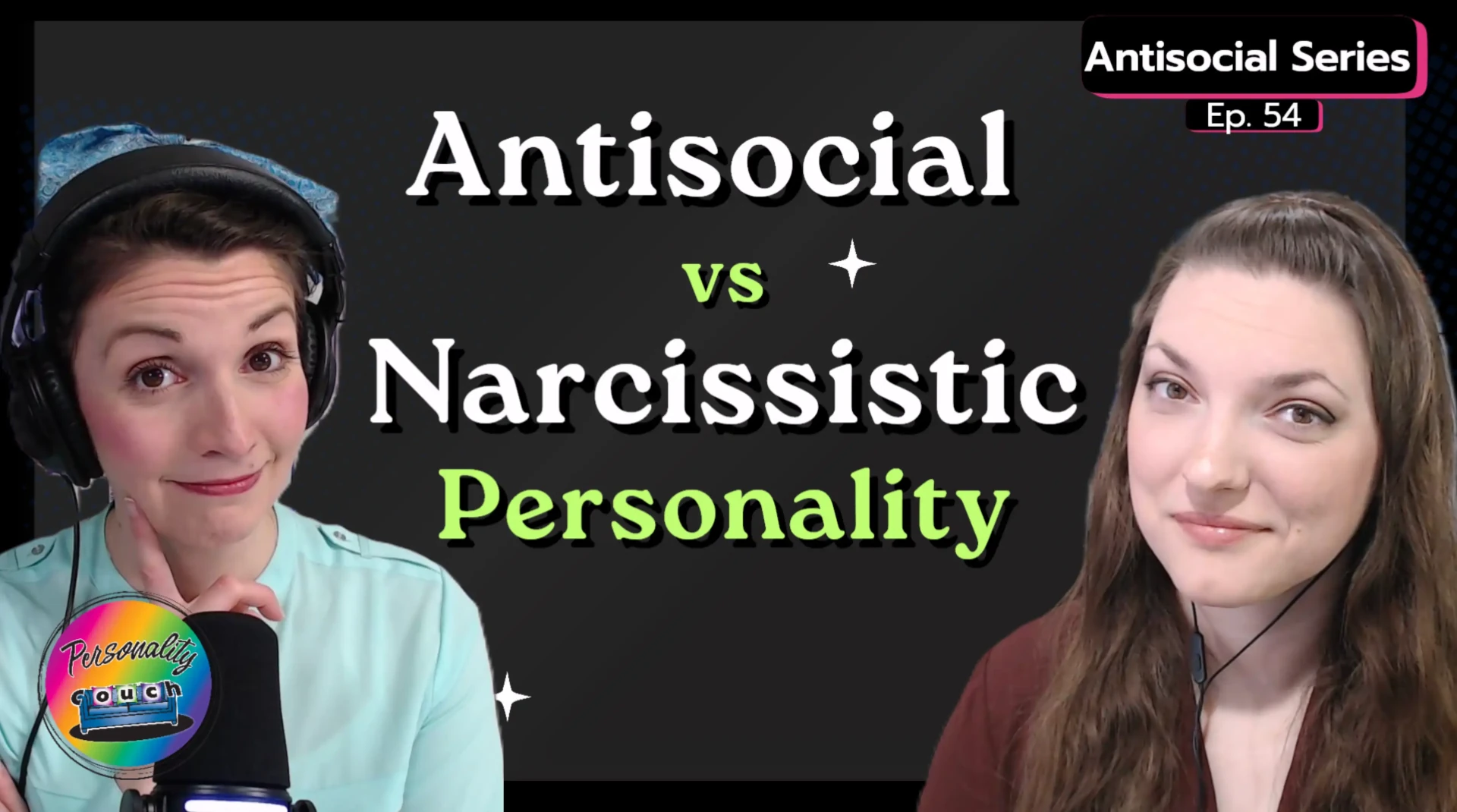
Ep 54: Antisocial vs Narcissistic Personality | What's the Difference?
In this episode of the Personality Couch Podcast, we (licensed clinical psychologists Doc Bok and Doc Fish) explore the distinctions between antisocial personality and narcissistic personality by analyzing DSM diagnoses, Stones’ Spectrum of Dark Personalities, and subtypes from Dr. Theodore Millon like: Reputation-Defending Devious, Exploitative Egotist, and the Unprincipled Narcissist.
 Doc Bok
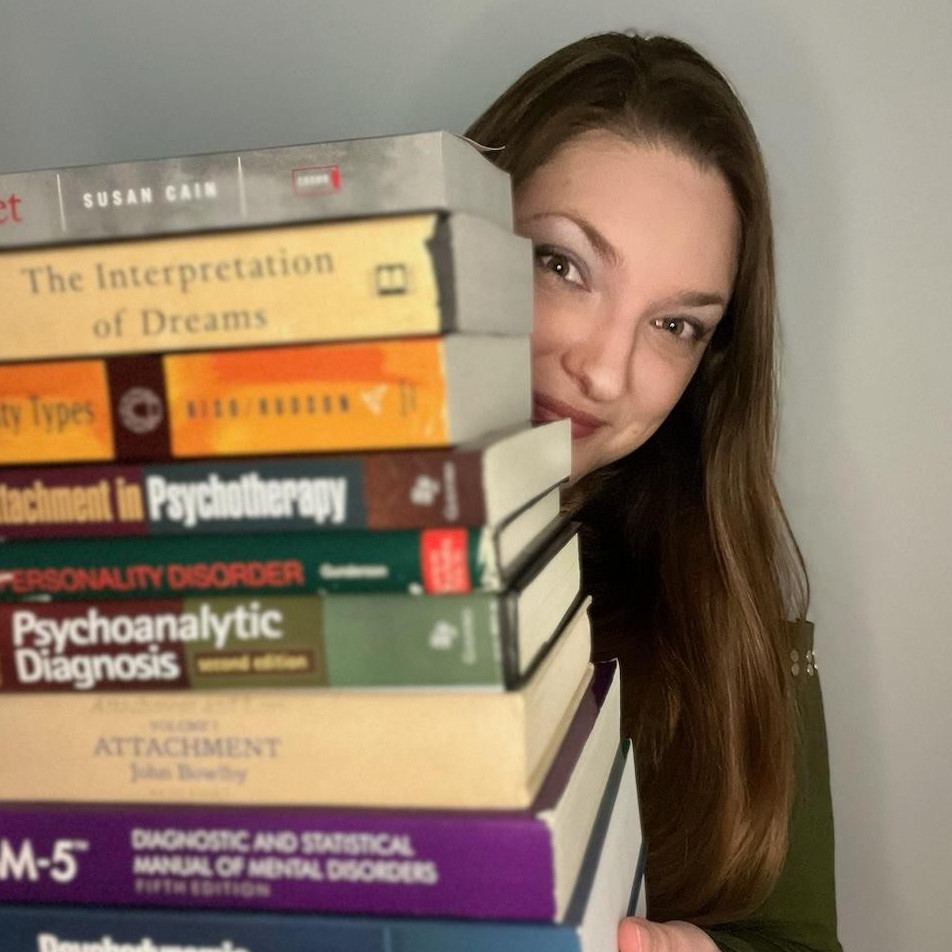 Doc Fish
Ep 53: Antisocial Personality vs Psychopathy | What's the Difference?
In this episode of the Personality Couch Podcast, we (licensed clinical psychologists Doc Bok and Doc Fish) explore the complex distinctions between antisocial personality and psychopathy, delving into historical terminology, key theories, and nuanced subtypes. This episode offers a deep dive into dark personality traits and how they differ.
Doc Bok
Doc Fish
Ep 52: The Six Antisocial Subtypes
In this episode of the Personality Couch Podcast, we (licensed clinical psychologists Doc Bok and Doc Fish) unpack the passive-parasitic and aggressive subtypes from history before jumping into Dr. Theodore Millon’s 6 subtypes.
Doc Bok
Doc Fish
Ep 51: A New Psychoanalysis of Antisocial Personality Disorder
In this episode of the Personality Couch Podcast, we (licensed clinical psychologists Doc Bok and Doc Fish) dive deep into the complex inner world of antisocial personality disorder, challenging the traditional DSM view and exploring psychoanalytic theory to uncover the internal processes behind antisocial behaviors.
Doc Bok
Doc Fish
Ep 50: Antisocial Personality: Everything I Learned is Wrong
In this episode of the Personality Couch Podcast, we (licensed clinical psychologists Doc Bok and Doc Fish) unpack some of our difficulties understanding antisocial personality disorder in how it combines psychology, morality, philosophy, and societal judgment.
Doc Bok
Doc Fish
Ep 49: Antisocial Personality: The DSM Trash Can Diagnosis for Criminals?
In this episode of the Personality Couch Podcast, we (licensed clinical psychologists Doc Bok and Doc Fish) begin our much-awaited series on antisocial personality disorder!
Doc Bok
Doc Fish
Ep 48: The 4 Attachment Styles & Avoidant Personality
In this episode of the Personality Couch Podcast, we (licensed clinical psychologists Doc Bok and Doc Fish) unpack attachment and its relationship with avoidant personality disorder. We explore the four main attachment styles: secure, anxious, avoidant, and disorganized, discussing how these styles manifest in adult relationships. We highlight the nuances of avoidant personality disorder, suggesting that individuals may present as avoidantly attached but have underlying anxious tendencies. We end by discussing some interesting research on adult attachment and coregulation with a partner, suggesting that attachment is fluid and can change depending on the relationship homeostasis.
Doc Bok
Doc Fish
Ep 47: Avoidant Personality | The 6 Subtypes
In this episode of the Personality Couch Podcast, we (licensed clinical psychologists Doc Bok and Doc Fish) dive into Avoidant Personality Disorder, exploring Dr. Theodore Millon’s six subtypes. We discuss a few interesting historical names before jumping into the characteristics of mild (Anxiously & Imaginatively shy); moderate (Hypersensitively & Phobicly Reticent); and severe (Conflicted & Self-Deserting) subtypes. Our conversation also critiques Millon’s work, questioning the distinctiveness of avoidant traits compared to other personality disorders, and we invite listeners/viewers to share their thoughts and opinions.
Doc Bok
Doc Fish
Ep 46: Did the DSM Get it Wrong? | A New Perspective on Avoidant Personality
In this episode of the Personality Couch Podcast, licensed clinical psychologist Doc Bok unpacks the historical context of Avoidant Personality Disorder (APD), exploring the ongoing debate about its classification in the DSM. This episode discusses the contributions of Theodore Millon, the controversies that arose during the introduction of APD, and the implications of trauma and sociopolitical culture on personality development. The episode concludes with proposing alternative classification systems, including the Enneagram, the psychodynamic phobic character, and avoidant personality as a problematic trait versus a disorder.
Doc Bok
Ep 45: Schizoid Personality's Close Cousin: Avoidant in the DSM
In this episode of the Personality Couch Podcast, we (licensed clinical psychologists Doc Bok and Doc Fish) unpack the DSM’s Avoidant Personality Disorder (AvPd), exploring its hotly debated history, the DSM criteria, and its overlap with social anxiety. We discuss the developmental aspects of AvPd, the challenges of low self-esteem with this disorder, and how it can cause problems in employment. We end with our own unfiltered thoughts on whether or not we think it should be a diagnosis, questioning the zeitgeist in which it was coined, the lack of historical research, and its overlap with multiple other personality disorders.
Doc Bok
Doc Fish